





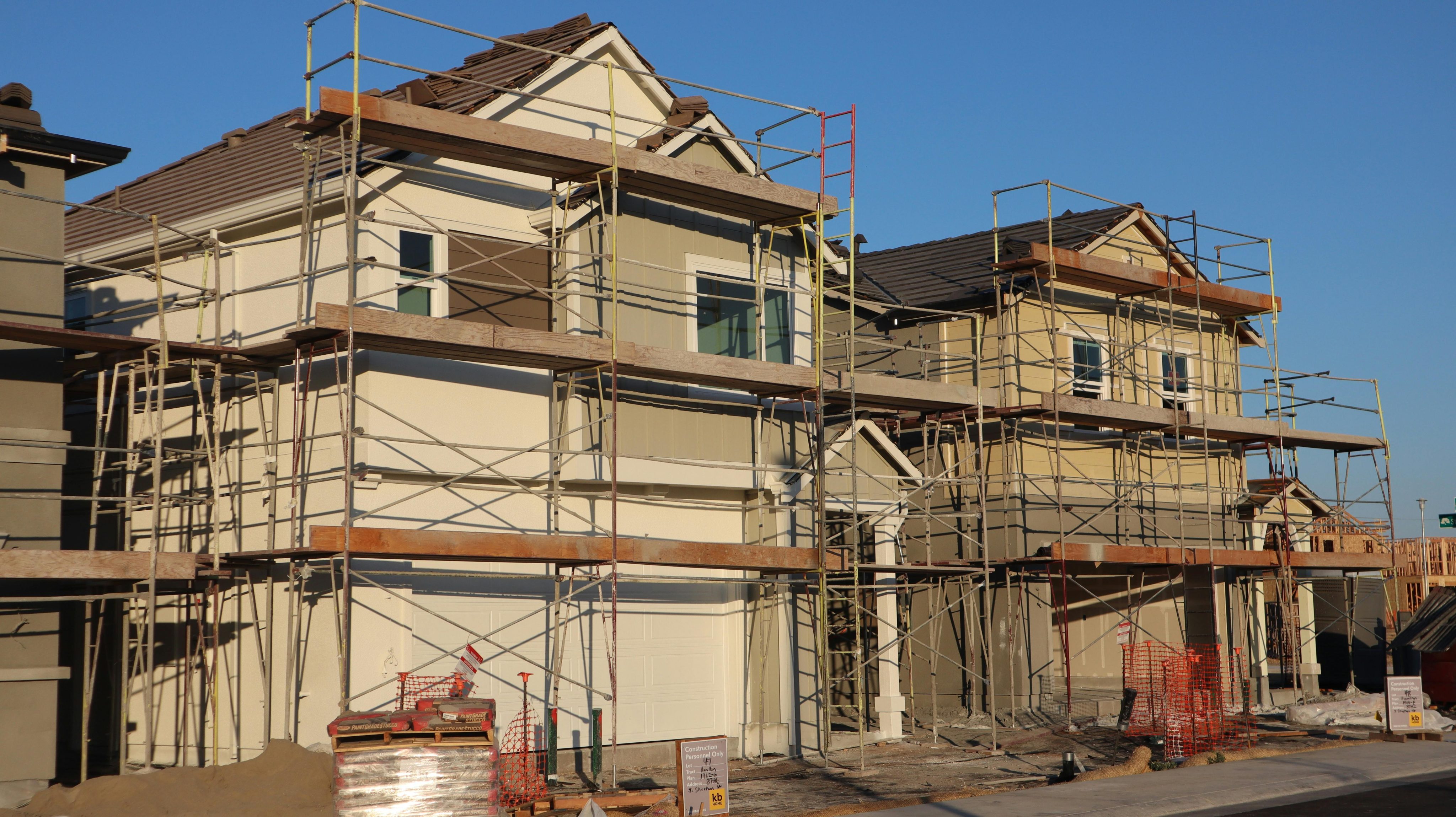
A Practical Guide for New Construction Buyers in Austin
Buying a newly built home in Austin can feel exciting at first. Everything is brand new, the floor plans look perfect, and the incentives can be tempting. But once the builder contract shows up, many buyers realize this is not the same process as purchasing a resale home.
Builder contracts in Texas are very different from the standard resale contracts most buyers are familiar with. They are written by the builder’s attorneys, designed to protect the builder, and often leave little room for negotiation unless you understand what you are reading.
We spend a lot of time helping buyers understand builder contracts before they sign anything. When buyers know what to expect upfront, it prevents frustration, unexpected costs, and stressful surprises later in the process.
This guide breaks down what you should know about builder contracts in Texas, especially if you are buying new construction in the Austin area.
Key Takeaways
Builder contracts are not the same as Texas resale contracts and heavily favor the builder
Timelines, deposits, and completion dates are often flexible for the builder, not the buyer
Warranties sound comprehensive but usually come with important limitations
Buyers often have less leverage after signing than they realize
Understanding the contract before signing helps protect expectations, finances, and peace of mind

Builder Contracts Are Written to Protect the Builder
One of the most important things to understand about builder contracts in Texas is this: they are not neutral documents.
Unlike resale transactions that typically use standardized Texas Real Estate Commission contracts, builder contracts are custom-written by the builder’s legal team. Their primary goal is to reduce the builder’s risk, not to balance the interests of both parties.
This does not mean builders are doing anything unethical. It simply means buyers need to approach these contracts with eyes wide open.
Builder contracts often:
Limit the buyer’s ability to cancel
Give the builder broad control over timelines
Restrict buyer remedies if delays or issues occur
Favor the builder in dispute resolution
We make sure buyers understand that signing a builder contract is closer to entering a business agreement than submitting a typical home purchase offer.
Timelines Are Estimates, Not Guarantees
One of the most common misunderstandings buyers have with new construction contracts is around closing dates.
Builder contracts usually include an estimated completion date, not a guaranteed one. In many cases, the builder is allowed to extend the timeline for reasons such as weather, labor shortages, material delays, or other factors defined broadly in the contract.
This matters because:
Rate locks can expire
Lease end dates may no longer align
Moving plans can change unexpectedly.
Some contracts allow the builder to delay completion for months without penalty. Meanwhile, buyers often have strict deadlines and limited options if delays occur.
We walk buyers through the timeline language line by line so they understand what flexibility exists, who benefits from it, and how to plan accordingly.
Deposits Are Often Non-Refundable
Builder deposits are very different from option fees and earnest money on resale homes.
In many Texas builder contracts:
Deposits are larger than typical earnest money
Deposits may become non-refundable shortly after signing
Refunds are often limited or unavailable if the buyer cancels
Buyers sometimes assume they can walk away like they could on a resale purchase. That assumption can be costly.
We help buyers understand:
When deposits become non-refundable
What events allow refunds, if any
How upgrades and design selections affect refundability
Knowing this before signing helps buyers make informed decisions instead of emotional ones.

Change Orders and Design Selections Matter More Than You Think
Design centers can be fun, but they are also legally binding parts of the contract process.
Once selections are made:
Changes may not be allowed
Costs can increase quickly
Refunds on upgrades are often restricted
Builder contracts usually give the builder discretion over available materials and substitutions. If a specific product becomes unavailable, the builder may substitute something similar without buyer approval.
We advise buyers to:
Read upgrade terms carefully
Understand pricing escalations
Avoid assumptions about “minor changes later”
What feels flexible at the design stage often becomes fixed once construction begins.
Warranties Sound Strong, but Have Limits
Builders often highlight warranties as a major benefit of buying new construction. While warranties are valuable, they are not unlimited.
Most Texas builder warranties include:
One year for workmanship and materials
Two years for mechanical systems
Ten years for structural components
However, warranties often:
Exclude cosmetic issues
Require strict reporting timelines
Shift responsibility to third-party providers
Missed deadlines or improper documentation can void coverage.
We make sure buyers understand:
What is actually covered
How to submit warranty claims
What is excluded from protection
A warranty is only useful if you know how to use it correctly.

Inspections Still Matter on New Construction
A common misconception is that new homes do not need inspections. In reality, inspections are just as important, if not more so.
Builder contracts often limit:
The timing of inspections
Who can perform them
What happens if issues are found
We encourage buyers to schedule inspections at key stages, not just at final walkthrough. Catching issues early gives buyers more leverage than discovering problems after closing.
Understanding inspection rights before signing ensures buyers can protect themselves throughout the build.
Limited Negotiation Does Not Mean No Strategy
It is true that builders do not negotiate the same way resale sellers do. However, that does not mean buyers have no leverage.
In many cases, flexibility exists around:
Closing cost credits
Upgrade incentives
Lot premiums
Rate buy-downs
The key is knowing where builders are most willing to move and where they are not.
We help buyers approach builder negotiations strategically, not emotionally, so they maximize value without jeopardizing the deal.
Why Knowledge Prevents Frustration Later
Most issues buyers face with new construction are not surprises to the builder. They are surprises to the buyer.
When buyers fully understand the contract:
Expectations are realistic
Delays feel manageable, not shocking
Financial planning stays intact
Our role is to translate legal language into practical understanding so buyers feel confident, not overwhelmed.
A builder contract should never be signed quickly or casually. Taking the time to understand it upfront saves months of stress later.

Frequently Asked Questions About Builder Contracts in Texas
1. Can I negotiate a builder contract in Texas?
In most cases, the contract itself is not negotiable, but certain terms around incentives, upgrades, or closing costs may be. Builders are more flexible with pricing and perks than with legal language.
2. What happens if the builder delays construction significantly?
Builder contracts usually allow delays without penalty, as long as they fall under defined circumstances. This is why understanding timeline clauses before signing is critical for planning rate locks and move-out dates.
3. Should I have an attorney review a builder contract?
While not required, many buyers choose to have an attorney review the contract before signing. We also help buyers understand contract terms in plain language so they know what questions to ask.
4. Do I still need a real estate agent when buying new construction?
Yes. The builder’s sales representative works for the builder, not the buyer. Having representation helps ensure your interests are protected throughout the process, not just at signing.
5. What is the biggest mistake buyers make with builder contracts?
The biggest mistake is assuming the process is similar to buying a resale home. Builder contracts operate under different rules, timelines, and protections, and misunderstanding those differences can lead to expensive surprises.
Check out this article next