






Relocating your family is never just about finding a house. It’s about finding the right fit for your day-to-day life, your long-term plans, and the people who matter most to you.
For many families, Round Rock and the surrounding North Austin metro have become strong contenders when considering a move to Central Texas. With a mix of suburban space, proximity to major employers, and a wide range of housing options, this area attracts families relocating from across Texas and out of state.
At the same time, moving here comes with important considerations that aren’t always obvious from a quick home search. Property taxes can vary significantly, neighborhoods differ more than newcomers expect, and today’s market conditions require realistic planning for both buyers and sellers.
This relocation guide is designed specifically for families who want clear, practical insight before making a move. Whether you’re buying your first home in the area, selling a current property to relocate, or trying to do both at once, this guide will help you understand what to expect and how to plan with confidence.
Key Takeaways
Families relocating to Round Rock and North Austin often prioritize lifestyle fit, commute, and long-term affordability, not just the home itself
School-related questions are common, but families should independently research options that align with their needs and priorities
Property taxes and other ownership costs are frequently underestimated by newcomers
In a buyer-leaning market, sellers need realistic pricing strategies when planning their next move
Working with a local real estate expert can help families avoid costly surprises during relocation
Why Families Are Relocating to Round Rock and the North Austin Metro
Families relocating to Central Texas are often looking for more than just a change of scenery. They’re searching for a place that balances space, convenience, and long-term livability. That’s where Round Rock and the surrounding North Austin metro continue to draw attention.
One of the biggest drivers behind relocation to this area is flexibility. Many families moving here are coming from denser urban environments or higher-cost markets where space feels limited and long-term housing options feel uncertain. Round Rock and nearby North Austin suburbs offer a broader mix of home styles, from established neighborhoods to newer communities, allowing families to choose what fits their current season of life.
Another factor is proximity without pressure. Families like being close enough to Austin’s major employment centers, healthcare systems, and cultural amenities without living directly in the city core. Commute patterns vary widely depending on where someone works, but many relocating families appreciate having multiple routes and options rather than relying on a single corridor.
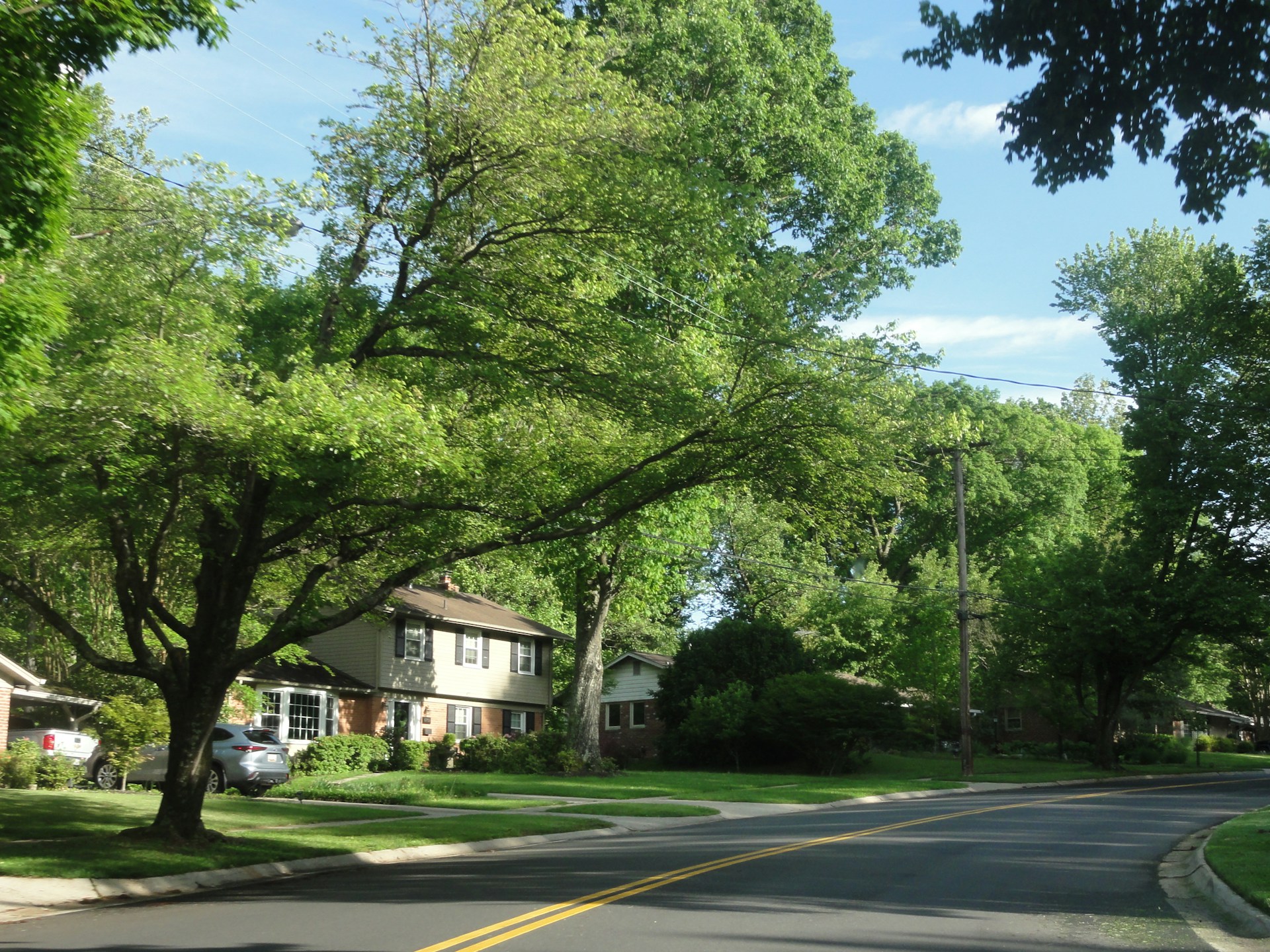
Daily life also looks different here. Many neighborhoods were designed with sidewalks, greenbelts, and community amenities that naturally support family routines. Access to parks, trails, and shared spaces often becomes part of everyday life rather than a special outing. For families coming from out of state, this sense of neighborhood planning can feel like a major lifestyle upgrade.
School-related considerations frequently come up early in relocation conversations. Families often want to understand what options exist and how school boundaries work in different areas. It’s important to note that school district boundaries, attendance zones, and enrollment policies can change, and families should always conduct their own independent research to determine what best aligns with their needs. A local agent can help explain how neighborhoods are structured geographically, but decisions around schools should always be verified directly through official sources.
Finally, many families are drawn to the area because it offers room to grow. Whether that means an extra bedroom, a backyard, or simply a neighborhood where they can picture themselves staying for several years, Round Rock and North Austin appeal to families thinking beyond their next move. This long-term mindset plays a big role in why relocation here continues even as market conditions shift.

What Families Ask First When Relocating to Round Rock
Timing Matters More Than Buyers Expect
Relocating families often underestimate how much timing affects their options. In a buyer-leaning market, there may be more inventory to choose from, but desirable homes can still move quickly, especially those priced well and located in high-demand neighborhoods.
Buyers who wait too long to get clarity on financing, location preferences, or non-negotiables often feel rushed when the right home appears. Planning ahead, even before arriving in the area, gives families more control over the process.
Understanding Monthly Costs Beyond the Mortgage
As discussed earlier, property taxes, HOA fees, and utilities play a major role in long-term affordability. Buyers who focus only on purchase price can unintentionally stretch their monthly budget.
Relocating families benefit from reviewing estimated monthly costs in advance, not just lender pre-approval amounts. This approach creates more realistic expectations and reduces stress after closing.
Avoiding Common Relocation Mistakes
Some of the most common mistakes relocating buyers make include:
Choosing a home before fully understanding the surrounding area
Underestimating ongoing ownership costs
Relying on assumptions based on their previous market
Waiting too long to engage a local real estate expert
Working with someone who understands both the market and the relocation process helps families avoid these pitfalls. A local agent can help buyers narrow options, explain differences between neighborhoods, and provide insight that online searches alone can’t offer.
Relocating is a major life change. Buyers who approach it with education, flexibility, and local guidance are far more likely to land in a home that truly fits their family’s needs.
Seller Considerations When Relocating in Today’s Market
For families relocating to or from Round Rock and the North Austin metro, selling a current home while planning the next move can feel especially challenging in a buyer-leaning market.
Many relocating sellers quickly discover that market conditions require a shift in expectations. While homes are still selling, pricing and strategy matter more than they did in recent years. Sellers who approach the market with last year’s numbers in mind often face longer days on market or price adjustments they didn’t anticipate.
Realistic Pricing Is Critical
One of the biggest hurdles for relocating sellers is reconciling what they want for their home with what today’s market supports. Buyers are more cautious, have more options, and are paying close attention to value.
Homes priced based on outdated comparables or emotional attachment tend to sit longer, which can complicate relocation timelines. Sellers who price strategically from the start often maintain more leverage and flexibility when negotiating their next purchase.
Expect a Gap Between Selling and Buying
In a buyer-leaning market, relocating sellers may find themselves in a position where they are unable to extract peak value from their current home while still needing to pay market value for their next one.
This gap doesn’t make relocation impossible, but it does require planning. Some families explore temporary housing, rent-backs, or flexible closing timelines to bridge the transition. Others adjust expectations around timing or budget to maintain momentum without unnecessary stress.
Preparation Still Matters
Even in a market with more inventory, well-prepared homes stand out. Sellers who invest time in presentation, repairs, and realistic pricing tend to attract more serious buyers.
Relocating sellers often juggle packing, job transitions, and family logistics, which can make preparation feel overwhelming. Having a clear plan and professional guidance helps prioritize what truly matters and avoids over-improving or under-preparing.
Why Local Guidance Makes a Difference
Relocating sellers benefit from working with someone who understands both sides of the transaction. Selling and buying in the same market requires coordination, timing, and market awareness.
A local real estate expert can help sellers:
Price realistically based on current conditions
Coordinate timelines between selling and buying
Navigate negotiations without emotion
Adjust strategy quickly if the market shifts
For families relocating, this level of guidance often reduces uncertainty and creates a smoother transition from one home to the next.

Frequently Asked Questions About Relocating to Round Rock and North Austin
1. Is Round Rock a good place for families relocating from out of state?
Round Rock attracts many relocating families because of its mix of suburban living, access to major employers, and range of housing options. As with any relocation, families should evaluate neighborhoods, daily commute needs, and long-term affordability to determine if it’s the right fit for their lifestyle.
2. How should families research school options when relocating?
Families should always conduct independent research using official school district resources, attendance boundary maps, and direct communication with schools. District boundaries and policies can change, so verifying information firsthand is essential when planning a move.
3. What surprises relocating families most about moving to this area?
Property taxes are one of the most common surprises. Families often focus on purchase price without fully understanding how taxes, HOAs, and utilities affect monthly costs. Reviewing the full ownership picture early helps avoid budget stress later.
4. Is it better to buy before selling when relocating?
There’s no one-size-fits-all answer. Some families prefer selling first for clarity, while others buy first to avoid temporary housing. Market conditions, financing, and personal timelines all play a role. A coordinated strategy helps families decide what makes the most sense for their situation.
5. Why work with a local real estate agent when relocating?
Relocation involves more than finding a home. A local agent provides insight into neighborhoods, market conditions, pricing strategy, and timing considerations that online searches can’t fully capture. For families moving into or out of the area, that guidance can prevent costly mistakes and reduce stress.
Check out this article next