





Austin has been one of the most talked-about real estate markets in the country for more than a decade. From rapid appreciation and bidding wars to shifting inventory and changing buyer behavior, the city has experienced nearly every phase of a real estate cycle in a short period of time.
So it is fair to ask the question many buyers are asking right now. Is Austin still a good place to invest in a home long term?
The short answer is yes. The more important answer is that long-term investing in Austin looks different today than it did during the peak growth years. The days of buying almost anything and watching it jump in value overnight are gone. What has replaced them is a more balanced, more strategic market where thoughtful decisions matter more than timing hype.
We work with buyers every day who want clarity, not headlines. They want to know how Austin is changing, where opportunity still exists, and how to choose a home that makes sense financially and personally over the long run. This guide expands on those themes and helps you understand what long-term investment really means in today’s Austin real estate market.
Key Takeaways
Austin remains a strong long-term real estate market, supported by population growth, jobs, and infrastructure.
Smart investing today requires more focus on location, property type, and price discipline.
Long-term value is about sustainability, not just appreciation.
Homes that align with lifestyle needs and future resale trends tend to perform best.
Working with a local team that evaluates homes through a long-term lens can reduce risk and improve outcomes.
Austin’s Long-Term Fundamentals Are Still Strong
When evaluating any real estate market for long-term investment, fundamentals matter more than short-term price swings. Austin continues to perform well on the factors that historically support durable housing demand.
Population Growth That Is Slower but Healthier
Austin is still growing, just at a more sustainable pace than during the peak migration years. People continue moving to the area for career opportunities, lifestyle, and affordability relative to other major metros. This steady population growth supports housing demand without creating the same overheated conditions seen in the past.
Slower growth is not a negative for long-term investors. It often leads to healthier price appreciation, less volatility, and fewer speculative bubbles.
A Diverse and Expanding Job Market
Austin’s economy is no longer dependent on a single industry. Technology, healthcare, education, manufacturing, and creative industries all play a role in the local job base. This diversification helps stabilize housing demand during economic shifts.
When job growth is spread across multiple sectors, housing markets tend to be more resilient. That resilience is a key factor in long-term value retention.
Infrastructure and City Investment
Transportation projects, public transit expansion, and continued development across the metro area all contribute to long-term growth. Infrastructure investment typically lags population growth, which means improvements often support future appreciation rather than already-priced-in gains.
Areas that benefit from infrastructure upgrades over time often outperform the broader market when chosen carefully.

Why Long-Term Investing Looks Different Today
The Austin market has matured. With that maturity comes a shift in how buyers should think about investment.
Appreciation Is No Longer Automatic
During rapid growth years, appreciation happened quickly and broadly. Today, appreciation is more selective. Some homes will outperform, some will plateau, and others may underperform depending on location, condition, and price.
This does not mean Austin is a poor investment. It means buyers must be intentional.
Price Discipline Matters More Than Timing
Trying to perfectly time the market rarely works. What matters more is buying a home that makes sense at today’s value, fits within a long-term plan, and can weather market cycles.
Overpaying for the wrong property can erase years of appreciation. Buying the right home at the right price creates flexibility and protection.
Cash Flow and Lifestyle Value Are More Important
For many buyers, long-term investment includes the value they receive while living in the home. A property that supports daily life, work needs, and future plans often becomes a better overall investment than one purchased solely for speculation.
Location Is Still the Single Most Important Factor
Not all parts of Austin perform the same over time. Location continues to be one of the strongest predictors of long-term value.
Established Neighborhoods vs Emerging Areas
Established neighborhoods often offer stability, consistent demand, and easier resale. Emerging areas may offer higher upside but come with more uncertainty.
We help clients weigh these tradeoffs by looking at development plans, zoning changes, school trends, and buyer demand patterns rather than relying on hype.
Proximity Still Drives Demand
Homes near employment centers, major roadways, public transit, and lifestyle amenities tend to hold value better over time. Walkability and accessibility have become more important, not less.
As commuting patterns evolve, flexibility in location becomes a major asset.
School Zones and Long-Term Appeal
School district performance continues to influence buyer demand, even for buyers without children. Homes in strong or improving school zones often attract a wider buyer pool during resale.
This broader appeal can protect value during slower market cycles.

Property Type Plays a Bigger Role Than Ever
Long-term performance varies significantly by property type in Austin.
Single-Family Homes Remain the Foundation
Detached single-family homes continue to be the most stable long-term investment in most parts of Austin. They offer flexibility, broader buyer appeal, and often stronger appreciation over time.
Lot size, layout, and neighborhood context all matter more than surface-level finishes.
Condos and Townhomes Require Careful Selection
Attached properties can still be solid long-term investments, but buyers must pay close attention to HOA health, rental restrictions, and future resale demand.
We evaluate condo and townhome purchases through both a personal use and market sustainability lens.
New Construction vs Resale Homes
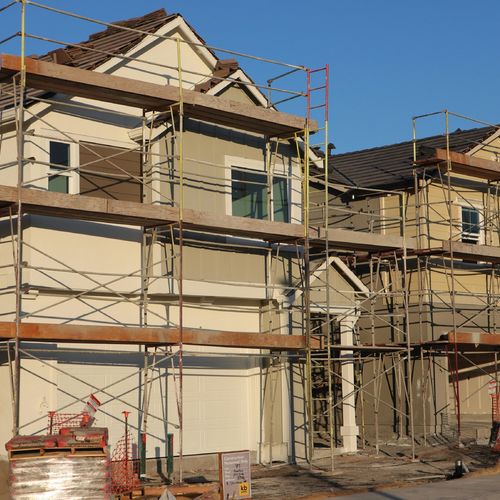
New construction can offer efficiency, warranties, and modern layouts. Resale homes often offer better locations and established neighborhoods. Neither is universally better.
The best choice depends on how the property will age within the market and how future buyers are likely to view it.
Thinking Beyond Appreciation: What Sustainable Investment Really Means
Investment is not just about how much a home might be worth someday. It is about how well it performs throughout ownership.
Resale Potential Over Multiple Market Cycles
We help clients think about who their future buyer might be. A home that appeals to multiple buyer types tends to sell more easily and hold value better.
Unique layouts, overly personalized renovations, or limited functionality can hurt long-term performance.
Maintenance and Aging Costs
A home that requires constant high-cost maintenance can erode returns even if values rise. Construction quality, materials, and layout all influence long-term ownership costs.
Sustainable investment includes choosing a home that will age well, both structurally and stylistically.
Flexibility for Life Changes
Homes that adapt to life changes, work-from-home needs, family growth, or downsizing often retain value better because they remain relevant to future buyers.
A property that only works for a narrow lifestyle can become harder to sell over time.

How We Help Clients Invest With Confidence
We do not believe in one-size-fits-all advice. Every buyer’s definition of long-term investment is different.
Evaluating Homes Through a Long-Term Lens
We analyze more than just recent sales. We look at neighborhood trajectory, development patterns, pricing history, and how a home fits within its micro-market.
This approach helps clients avoid emotional decisions and focus on sustainability.
Balancing Data With Real-World Experience
Market data matters, but so does experience. We combine numbers with on-the-ground insight to help clients understand what buyers are actually responding to, not just what reports suggest.
Helping Buyers Align Home and Investment Goals
The strongest investments are often homes that fit your life now while maintaining future value. When those two align, long-term ownership becomes both financially and personally rewarding.
Frequently Asked Questions
Check out this article next