





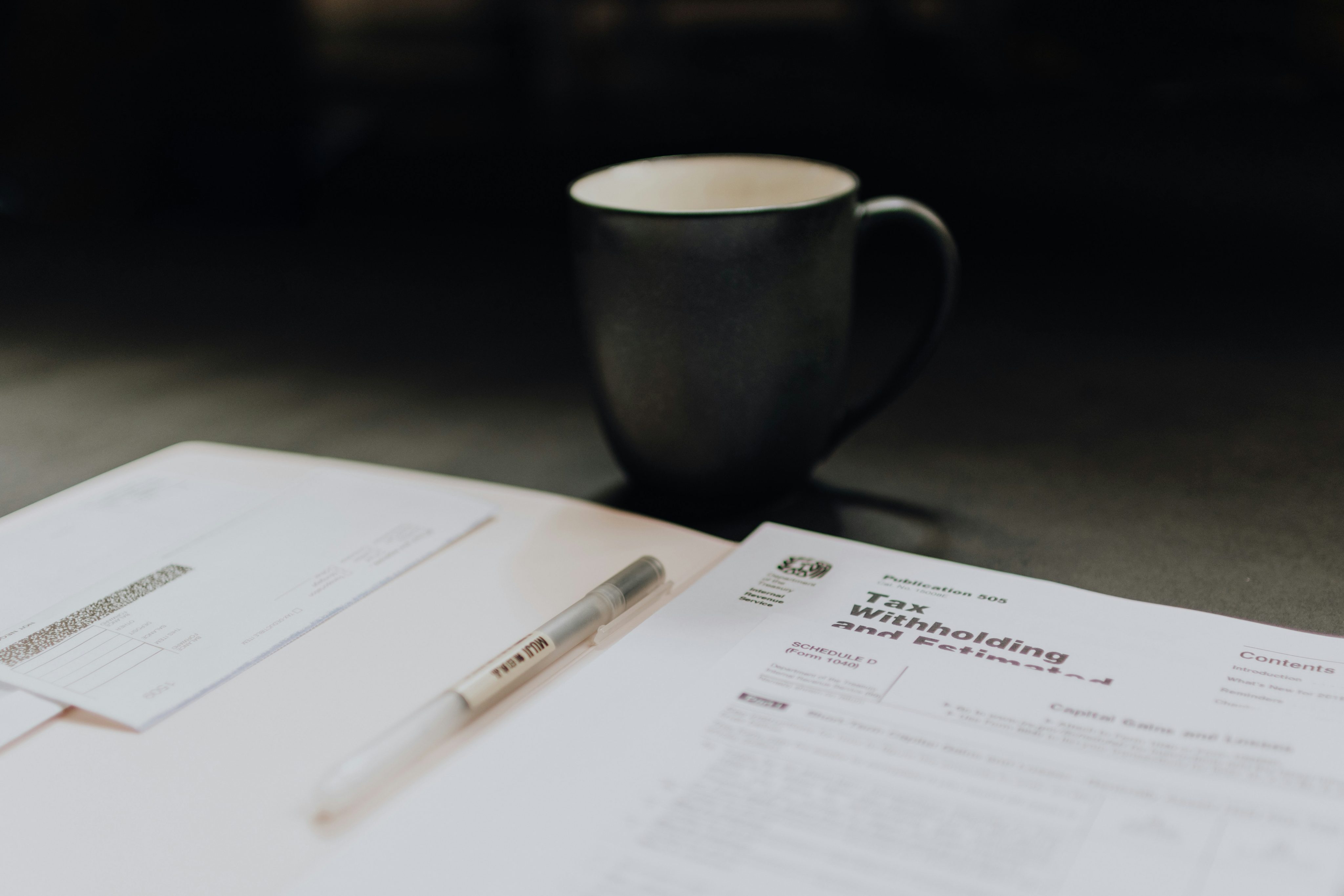
Property taxes are one of the most misunderstood parts of buying a home in the Austin metro area, yet they play a major role in what a home actually costs month to month. Many buyers focus heavily on purchase price and interest rates, only to be caught off guard later when their tax bill changes their affordability far more than expected.
Because the Austin region spans multiple counties and taxing entities, two homes with similar prices can have very different monthly payments. Understanding how property taxes work by county and by community is essential to making a smart, sustainable buying decision.
Key Takeaways
Austin-area property tax rates vary widely by county and community
A lower-priced home can cost more monthly due to higher tax rates
MUD and PID taxes significantly impact newer developments
New construction tax estimates are often lower than future reality
Planning for taxes upfront prevents payment shock after move-in
Why Property Taxes Matter More Than Most Buyers Expect
Property taxes directly affect your monthly payment, your long-term affordability, and how comfortable you feel after closing. In Central Texas, tax rates are generally higher than the national average, largely because Texas does not have a state income tax.
That means local governments rely more heavily on property taxes to fund schools, infrastructure, emergency services, and community development. The result is a system where location matters just as much as price.
When buyers underestimate taxes, they often qualify for less home than expected or feel financial strain after their first reassessment. This is especially common for buyers relocating from states with lower property tax structures.
Austin Spans Multiple Counties With Different Tax Structures
The Austin metro area includes several counties, each with its own tax rates and assessment practices. The most common counties buyers encounter include:
Travis County
Williamson County
Hays County
Bastrop County
Each county sets its own tax rate, and those rates are layered with city taxes, school district taxes, and special assessments. Even crossing a street or subdivision line can change the tax picture dramatically.
This is why two homes just a few miles apart can feel completely different from an affordability standpoint, even if the sales prices are similar.

How MUD and PID Taxes Change the Equation
Many newer communities in the Austin area include additional taxes known as MUDs (Municipal Utility Districts) or PIDs (Public Improvement Districts).
These taxes are often used to fund infrastructure like roads, utilities, drainage, and public amenities in developing areas. While they allow communities to grow quickly, they also raise the total tax rate.
In practical terms, this means:
Newer homes often have higher tax rates than established neighborhoods
Buyers may pay hundreds more per month due to these assessments
These taxes can remain in place for decades
When we review homes with clients, we always factor in whether a community has a MUD or PID and how that affects the real monthly payment, not just the list price.
Why Lower-Priced Homes Can Cost More Per Month
One of the biggest surprises for buyers is discovering that a less expensive home can actually cost more monthly than a higher-priced one.
For example:
A $450,000 home with a high tax rate may have a larger monthly payment than a $500,000 home with lower taxes
Buyers who only compare prices miss the full financial picture
Lenders approve based on total payment, not just purchase price
This is especially important for buyers trying to stay within strict budget limits or maximize purchasing power. Taxes often determine what truly fits, not the sticker price.
New Construction Tax Estimates vs Reality
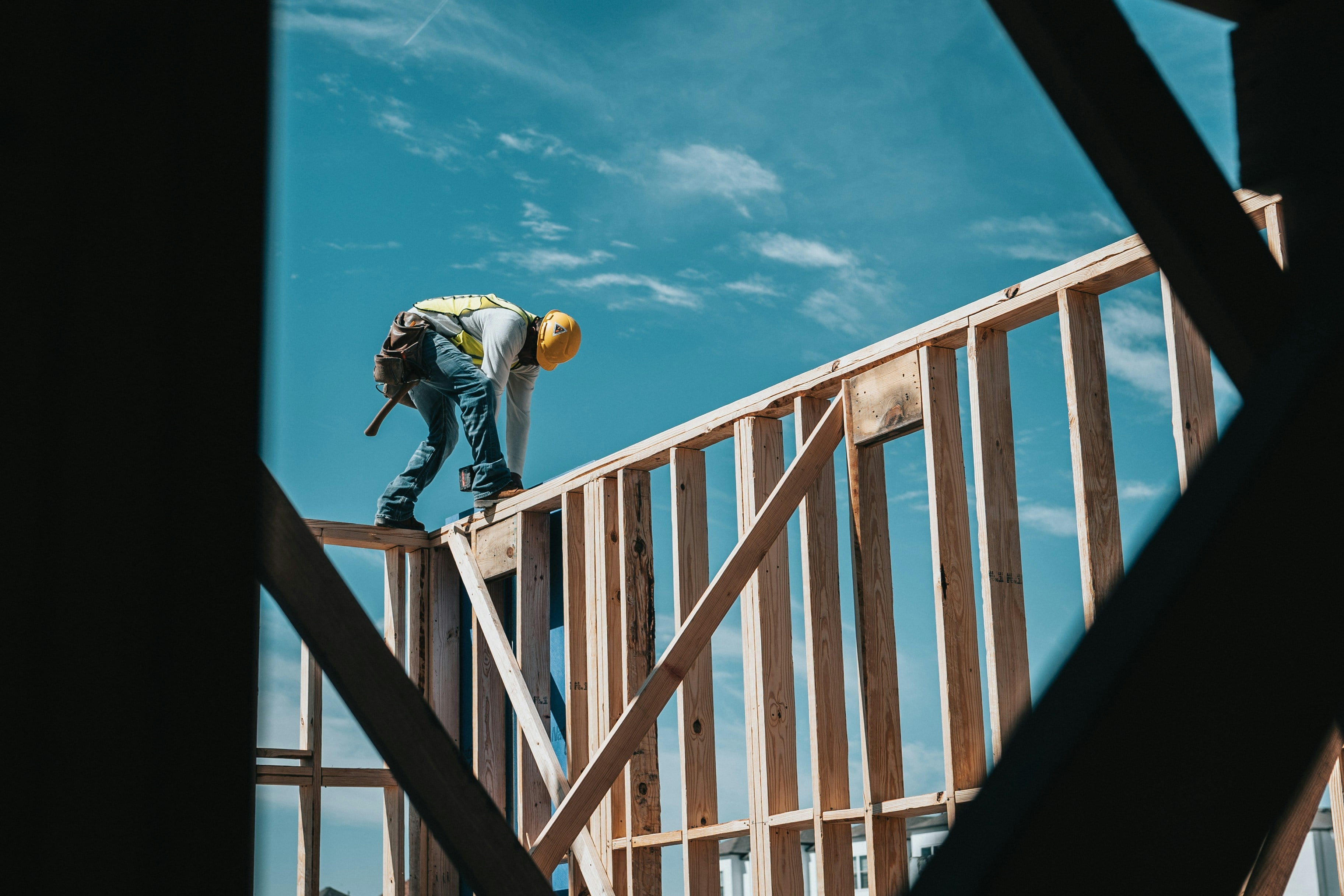
One of the most common pitfalls we see involves new construction homes and advertised tax estimates.
Builders often estimate property taxes based on the land value alone before the home is completed. Once the home is finished and reassessed by the county, taxes are recalculated based on the full market value.
This can result in:
Significant increases after the first year
Monthly payment jumps that catch buyers off guard
Budget strain if the increase wasn’t planned for
We always walk buyers through what taxes are likely to look like after reassessment so there are no surprises after move-in.
The Role of Homestead and Other Exemptions
Exemptions can help reduce taxable value, but they don’t apply automatically in every case.
Key points buyers should understand:
Homestead exemptions must be applied for after purchase
New buyers do not inherit the seller’s exemption
Taxes often increase when ownership changes
Additional exemptions may be available for veterans or seniors
Understanding when and how exemptions apply is critical to projecting future payments accurately.
How We Help Buyers Plan for Property Taxes
When working with buyers, we don’t treat property taxes as an afterthought. We build them into the decision-making process from the very beginning.
We:
Break down tax rates by county and neighborhood
Compare true monthly payments across different areas
Explain new construction reassessments before purchase
Help buyers balance price, taxes, and long-term comfort
This approach allows buyers to choose homes that align with their lifestyle and budget, not just their approval letter.
Frequently Asked Questions
Are property taxes negotiable when buying a home in Austin?
No, property tax rates are set by local taxing authorities. However, buyers can influence their affordability by choosing locations with lower rates or fewer additional assessments.
Do property taxes usually go up after buying a home?
Often, yes. When a home changes ownership, counties may reassess it at current market value, which can increase taxes, especially if the seller had long-standing exemptions.
Are Austin property taxes higher than other Texas cities?
They can be, depending on the county and school district. The Austin metro includes fast-growing areas that rely heavily on property taxes to fund development.
How can buyers estimate future property taxes accurately?
The best approach is to look at current tax rates, remove seller exemptions, and estimate based on full market value, not advertised builder numbers.
Should taxes influence where we choose to buy?
Absolutely. Taxes affect monthly payments long after the excitement of closing fades. Choosing the right location can make homeownership far more comfortable over time.
Check out this article next